Understanding Raccoon Behavior: How to Safely Coexist with Local Wildlife
Raccoons are a common sight in southeastern Pennsylvania, particularly in Chester County and Delaware County. By understanding raccoon behavior, homeowners can take proactive steps to coexist peacefully with these clever creatures, minimizing potential nuisances in their yards.
Raccoon Habits and Behavior
Raccoons are nocturnal animals, which means they are most active at night. They are known for their dexterous front paws, allowing them to open containers and manipulate objects with ease. Here are some key behaviors to note:
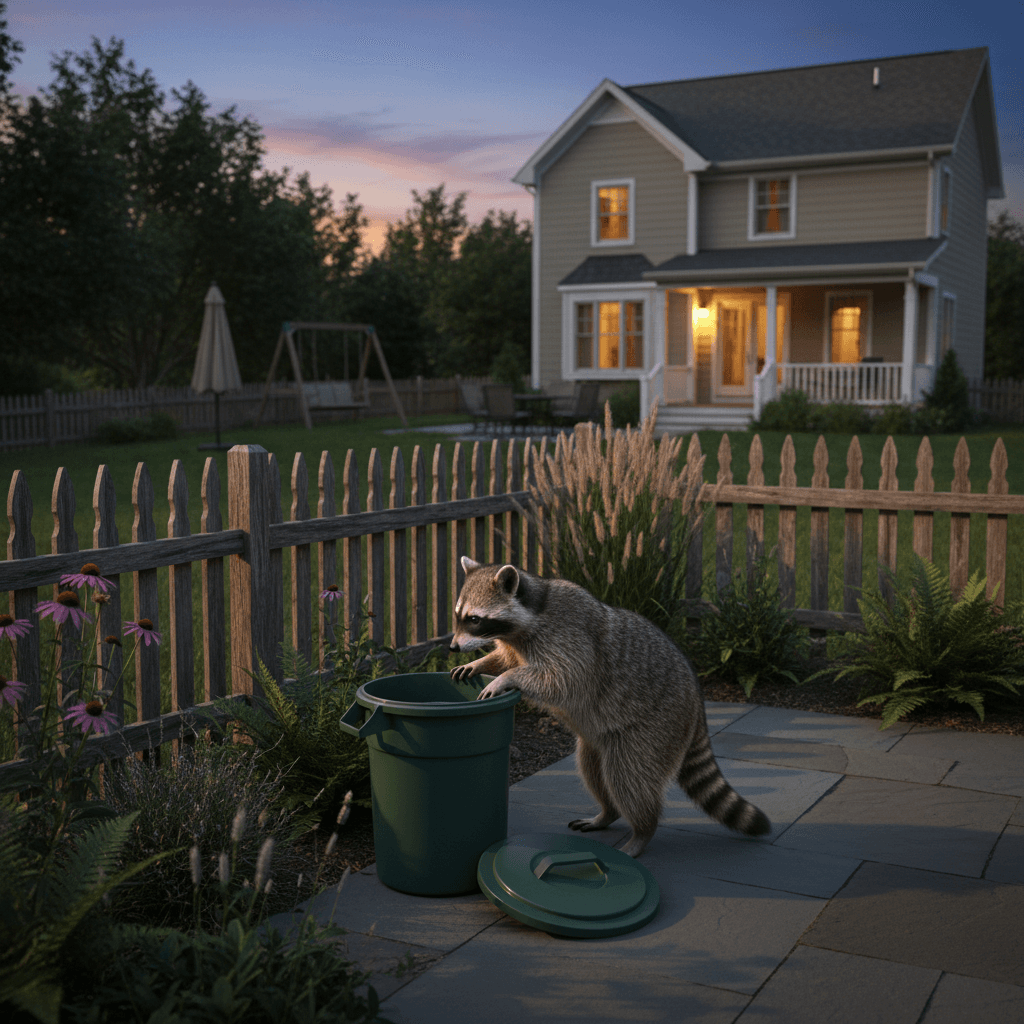
- Diet: Raccoons are omnivores, feeding on fruits, vegetables, trash, and even small animals. They are opportunistic feeders and often raid garbage cans.
- Social Structure: While raccoons are generally solitary, they can be found in small groups, especially mothers with their young.
- Habitat: They prefer wooded areas near water sources but can adapt well to urban environments, making them a common sight in suburban areas.
- Breeding Season: In southeastern PA, raccoons typically breed in late winter to early spring, with kits being born around April or May.
Why Raccoons Become a Nuisance
Understanding why raccoons may become a nuisance is crucial for homeowners. As they search for food and shelter, raccoons can be drawn to:
- Unsecured garbage bins
- Pet food left outside
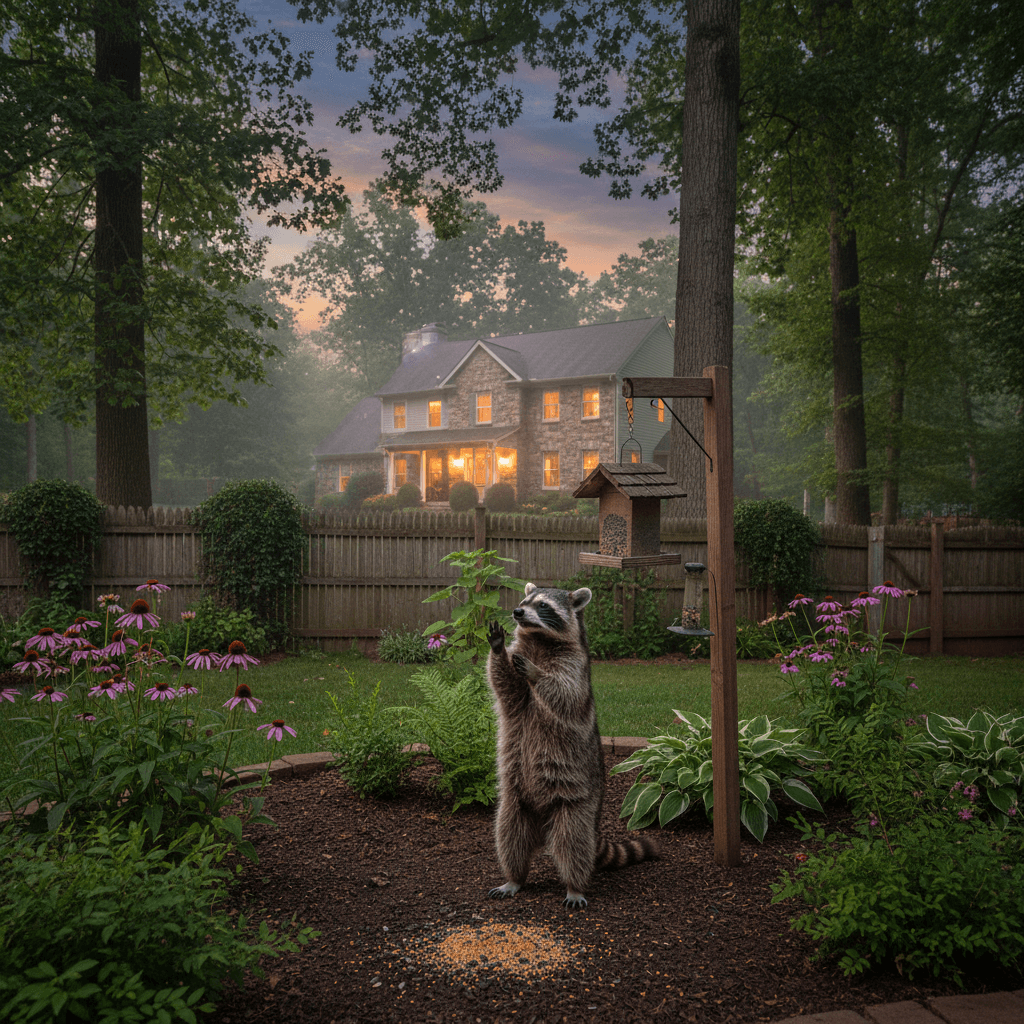
- Bird feeders
- Attics or basements that provide shelter
When they find a reliable food source, they may return night after night, leading to potential conflicts with homeowners.
Tips for Coexisting with Raccoons
Coexisting with raccoons requires a combination of prevention and understanding. Here are some effective strategies:
- Secure Trash Bins: Use raccoon-proof bins or secure lids to keep your trash inaccessible.
- Feeding Pets Indoors: Avoid leaving pet food outside, especially at night.
- Remove Attractants: Clean up fallen fruits from trees and secure bird feeders at night.
- Seal Entry Points: Inspect your home for gaps, especially in attics and basements, and seal any potential entry points.
Warning Signs of Raccoon Activity
Being aware of warning signs can help you identify raccoon activity before it becomes a problem. Look for:
- Tracks or paw prints around your property
- Scattered garbage or overturned bins
- Scratching sounds in attics or walls
- Damaged bird feeders or pet food bowls
If you notice these signs, it may be time to take action to prevent further issues.
What to Do Next
If you suspect raccoons are becoming a problem, consider the following steps:
- Assess your property for attractants and secure them.
- Install motion-activated lights or noise deterrents around your yard.
- Contact local wildlife control experts if problems persist.
When to Call in the Professionals
If raccoons have already made themselves at home in your attic or basement, or if you feel overwhelmed by the situation, it’s best to contact a professional. Absolute Pest Services specializes in humane wildlife control and can help you safely remove any unwanted guests and prevent future issues. Our team understands local wildlife behavior and can provide tailored solutions for your needs.
In conclusion, understanding raccoon behavior is the first step toward peaceful coexistence. By implementing preventive measures and being aware of warning signs, homeowners in southeastern Pennsylvania can enjoy their outdoor spaces without unnecessary disturbances from these clever creatures.
For expert assistance in wildlife control, contact Absolute Pest Services at 484-643-2225 today!