
Stinging InsectsMonday, September 7, 2026

Understanding and Managing Stinging Insects: Bees, Wasps, and Hornets

Learn how to identify and manage stinging insects like bees, wasps, and hornets around your home in southeastern PA.

By Absolute Pest Services

Understanding and Managing Stinging Insects: Bees, Wasps, and Hornets

Understanding and Managing Stinging Insects: Bees, Wasps, and Hornets

Stinging insects such as bees, wasps, and hornets can be a nuisance around your home, especially in the warmer months in southeastern Pennsylvania. Knowing the differences between these insects, their behaviors, and how to manage them can help keep your family safe and your outdoor spaces enjoyable.

Identifying Stinging Insects

Before you can manage stinging insects effectively, it's crucial to identify them correctly. Here's a quick overview of the main types:

  • Bees: Typically fuzzy and robust, bees are primarily pollinators. They have a more docile nature and usually only sting when threatened.
  • Wasps: Slimmer and more aggressive, wasps are known for their predatory behavior. They are more likely to sting without much provocation.
  • Hornets: A type of wasp, hornets are larger and more aggressive. They can be particularly territorial and will defend their nests vigorously.

Behavior and Nesting Habits

Each type of stinging insect has distinct behaviors and nesting preferences that you should be aware of:

  • Bees: Usually build hives in tree hollows, wall cavities, or occasionally in man-made structures. They are most active during the day and prefer to stay close to their nests.
  • Wasps: Construct paper-like nests, often found in eaves, attics, or underground. Wasps are social insects that can become aggressive, especially in late summer when their food sources dwindle.
  • Hornets: Build large, aerial nests in trees, shrubs, or under eaves. Like wasps, hornets can become aggressive if they feel their nest is threatened.

Seasonal Timing in Chester and Delaware Counties

In southeastern PA, stinging insects tend to be most active from late spring to early fall. Early summer is when colonies are at their peak, and the risk of stings increases. As the weather cools in late fall, these insects begin to die off, making it a less active time for encounters.
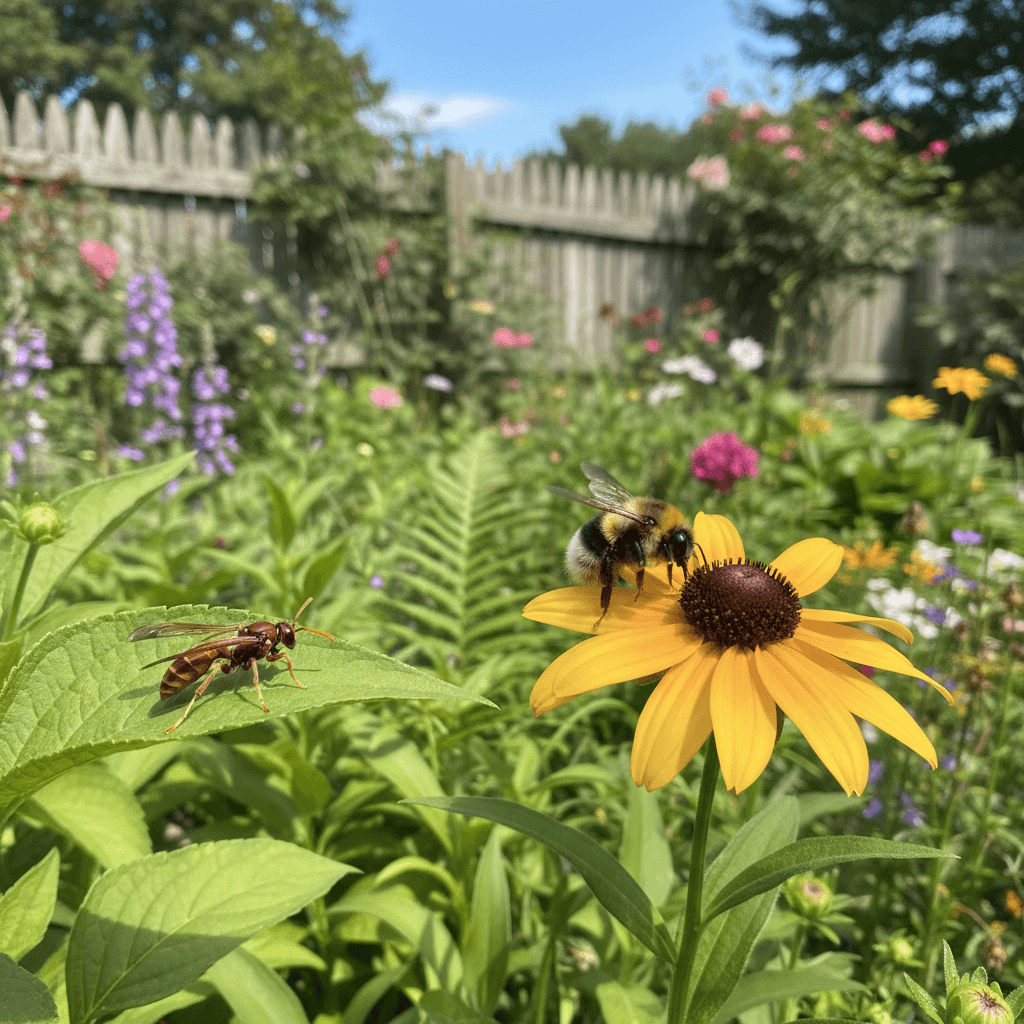
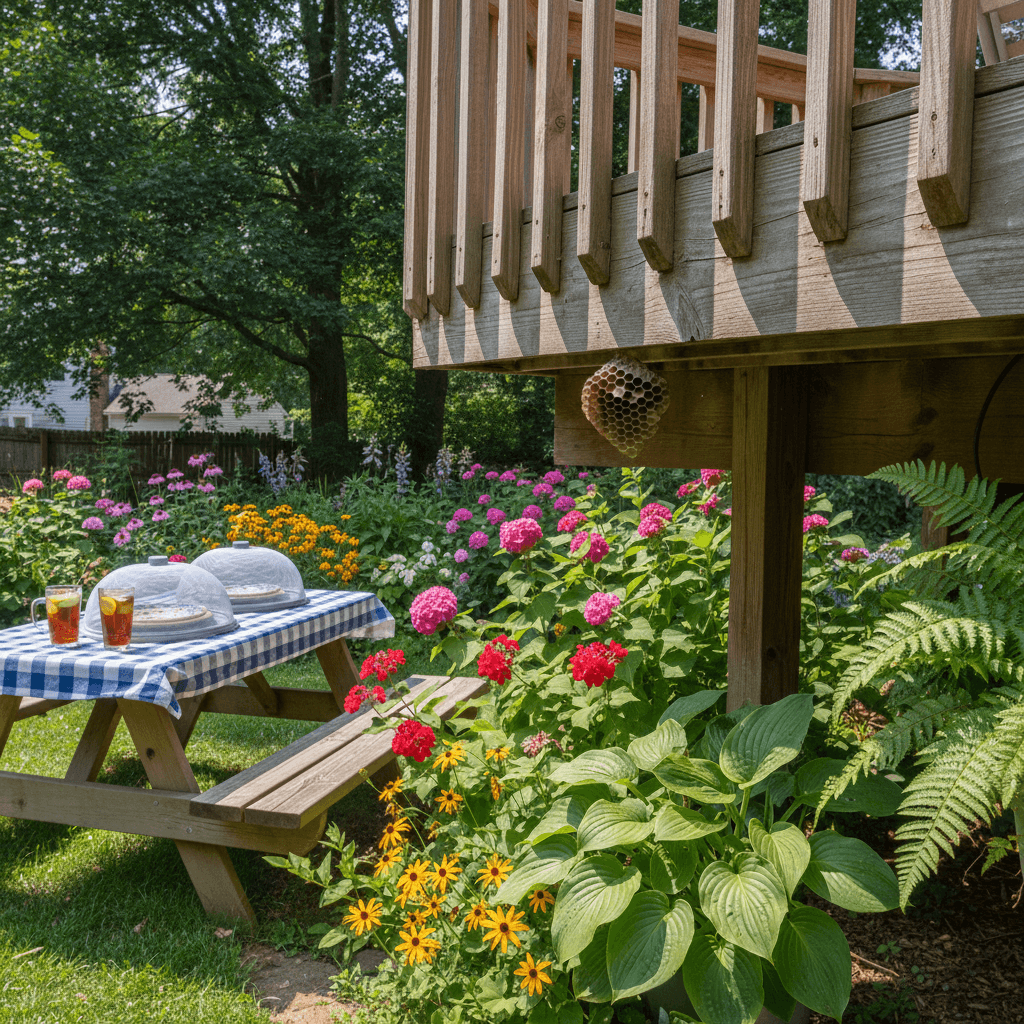
Understanding and Managing Stinging Insects: Bees, Wasps, and Hornets — Understanding and Managing Stinging Insects: Bees, Wasps, and Hornets
Understanding and Managing Stinging Insects: Bees, Wasps, and Hornets

Managing Stinging Insects Safely

While you might want to eliminate stinging insects from your property, safety should always be your top priority. Here are some practical tips for managing them without risking stings:

  • Observe and Identify: If you see a nest, take note of the type of insect before attempting to manage it.
  • Keep Calm: If you encounter a stinging insect, remain still and calm. Rapid movements can trigger a defensive response.
  • Limit Attractants: Keep food and sugary drinks covered during outdoor activities. Wasps and hornets are particularly attracted to sweet substances.
  • Seal Entry Points: Inspect your home for cracks and gaps where these insects might enter. Sealing these can help prevent nesting.

What to Do If You Find a Nest

If you discover a nest on your property, follow these steps:

  • Do not approach the nest.
  • Observe the insects for a few days to determine their behavior.
  • If necessary, contact a professional pest control service for safe removal.

Warning Signs of Stinging Insects

Be aware of the following signs that may indicate a stinging insect problem:

  • Frequent sightings of bees, wasps, or hornets near your home.
  • Visible nests in or around your property.
  • Increased insect activity during late summer.
Managing Stinging Insects Safely — Understanding and Managing Stinging Insects: Bees, Wasps, and Hornets
Managing Stinging Insects Safely

Conclusion

Understanding the differences between bees, wasps, and hornets, along with their behaviors and nesting habits, can help you manage stinging insects effectively and safely. If you're facing a stinging insect issue around your home, don’t hesitate to reach out for professional help.

At Absolute Pest Services, we specialize in bee control, wasp and hornet management, and safe removal solutions tailored to your needs. Contact us today at 484-643-2225 for a consultation!

stinging insectsbee controlwasp managementhornet managementpest control

Have a Pest Problem?

Call us now — same-day service available in PA & DE.

484-643-2225
Call NowRequest Service

Fast response in southeastern PA and Delaware