
Recognizing the Signs of Termite Infestation: What Every Homeowner Should Know
Termites can silently wreak havoc on your home, leading to costly repairs if not detected early. Homeowners in southeastern Pennsylvania, particularly in Chester and Delaware Counties, should be vigilant about identifying the signs of termite infestation to protect their properties.
Understanding Termite Behavior
Termites are social insects that thrive on cellulose, which is found in wood and other plant materials. They are often called "silent destroyers" because they can cause significant damage before their presence is noticed. In southeastern PA, the most common types of termites are the Eastern Subterranean Termite and the Formosan Termite, both of which can be particularly destructive.
Common Signs of Termite Infestation
As a homeowner, being proactive in recognizing the signs of a termite infestation can save you from extensive damage. Here are some key indicators to watch for:
- Wood Damage: Look for hollowed-out wood or wood that sounds hollow when tapped. This indicates that termites may be feeding inside.
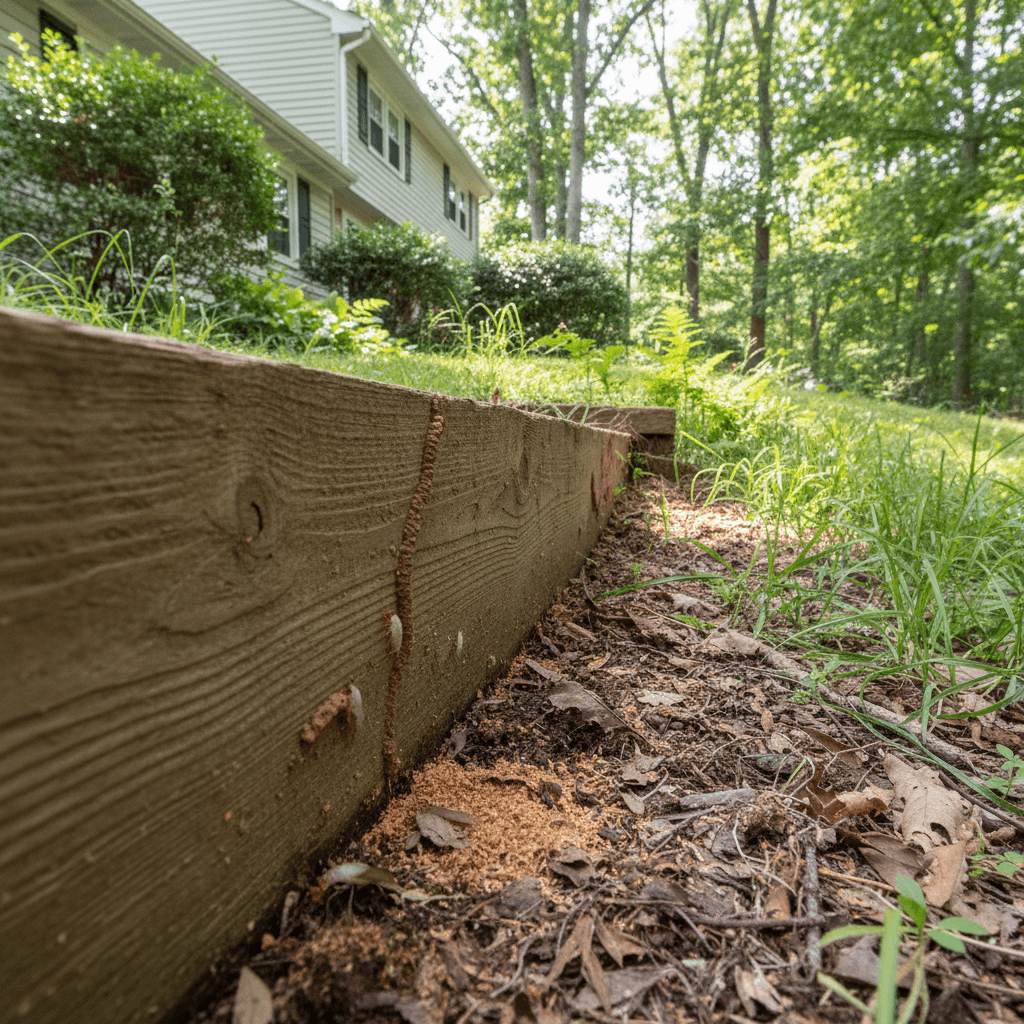
- Frass: Termite droppings, known as frass, resemble small pellets and can often be found near infested wood.
- Swarmers: During the spring months, particularly in March and April, you may notice winged termites (swarmers) around your home. This is a sign that a colony is nearby.
- Mud Tubes: Subterranean termites build mud tubes to travel between their colony and food sources. These tubes are usually found on walls, foundations, or in crawl spaces.
- Peeling Paint: If your paint looks like it’s bubbling or peeling, it could be a sign of moisture or damage caused by termites.
Seasonal Timing in Southeastern PA
In Chester and Delaware Counties, the peak season for termite activity is typically from March to June. Homeowners should be especially vigilant during this period, as this is when termites are most likely to swarm and establish new colonies.
What to Do Next
If you suspect a termite infestation, it’s crucial to act quickly. Here’s a checklist of steps you can take:
- Inspect your home for the signs mentioned above.
- Check areas prone to moisture, such as basements, crawl spaces, and around plumbing.
- Seal any cracks in foundations or walls to prevent termites from entering.
- Consider scheduling a professional termite inspection for a thorough evaluation.
- Do not attempt DIY treatments, as they can often worsen the situation.
The Importance of Professional Help
While recognizing the signs of termites is the first step, addressing an infestation typically requires professional pest control services. Experts can accurately identify the extent of the infestation and recommend effective termite control solutions tailored to your specific situation. They can also provide guidance on prevention strategies to keep your home safe from future infestations.
Conclusion
Termites are a serious threat to homeowners in southeastern Pennsylvania. By being aware of the signs of termite infestation and taking prompt action, you can protect your home from potential damage. If you suspect termites or want to schedule an inspection, contact Absolute Pest Services at 484-643-2225. Our team of experts is here to help you safeguard your home.